Tag

verification-and-validation

5 articles

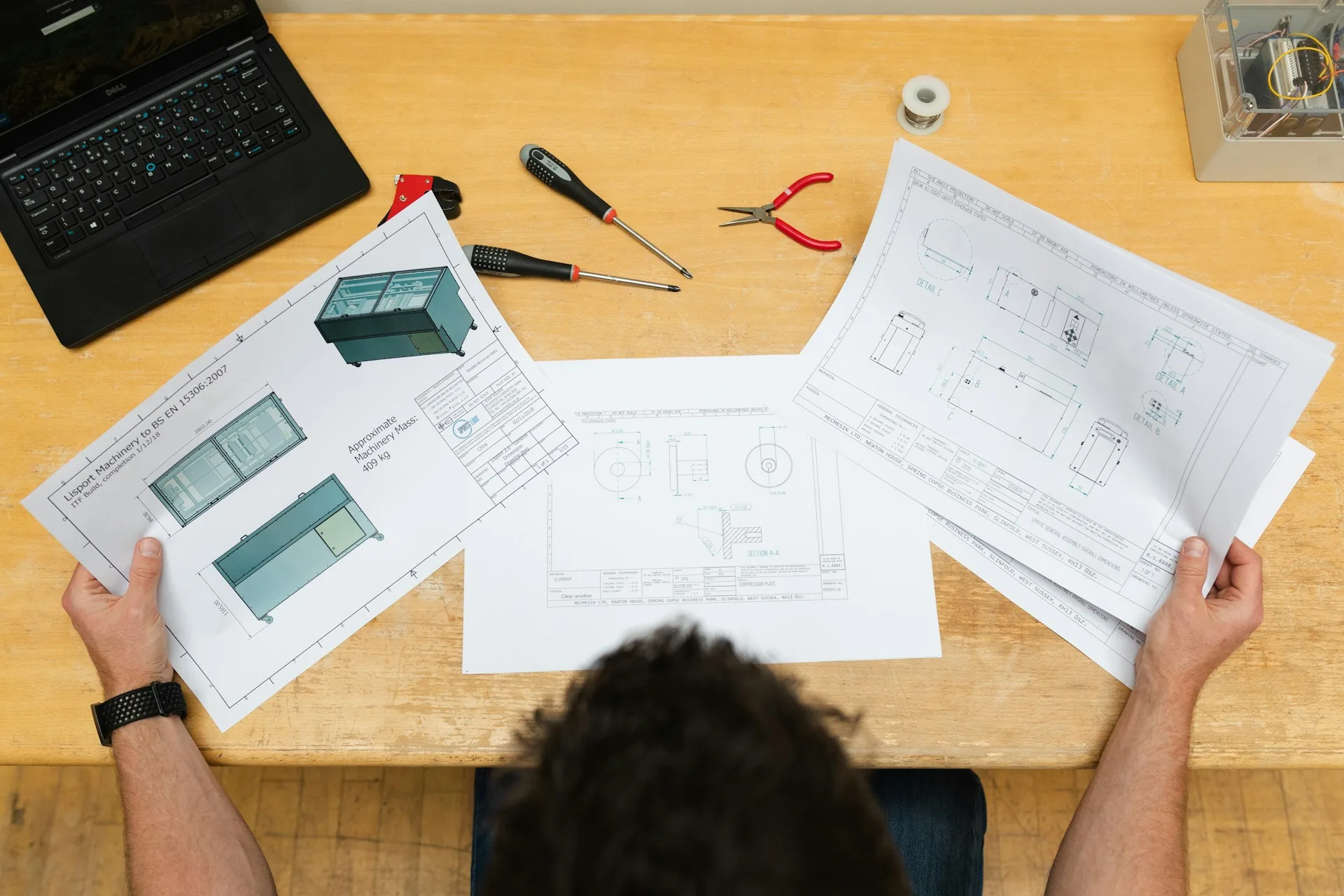
An engineer seen from above holds two technical drawings over a workbench with more drawings, screwdrivers, pliers and a laptop.Technical

Review, Audit, Assessment: Who Checks the Safety Work?

ISO 26262 asks for three kinds of confirmation, and treating them as three sizes of one check misses what each is for. One judges a work product, one judges the process, and one judges the item. A single change to a battery management system shows what each one catches and why none of them replaces the others. New article on the ISO 26262 confirmation measures.

6 min
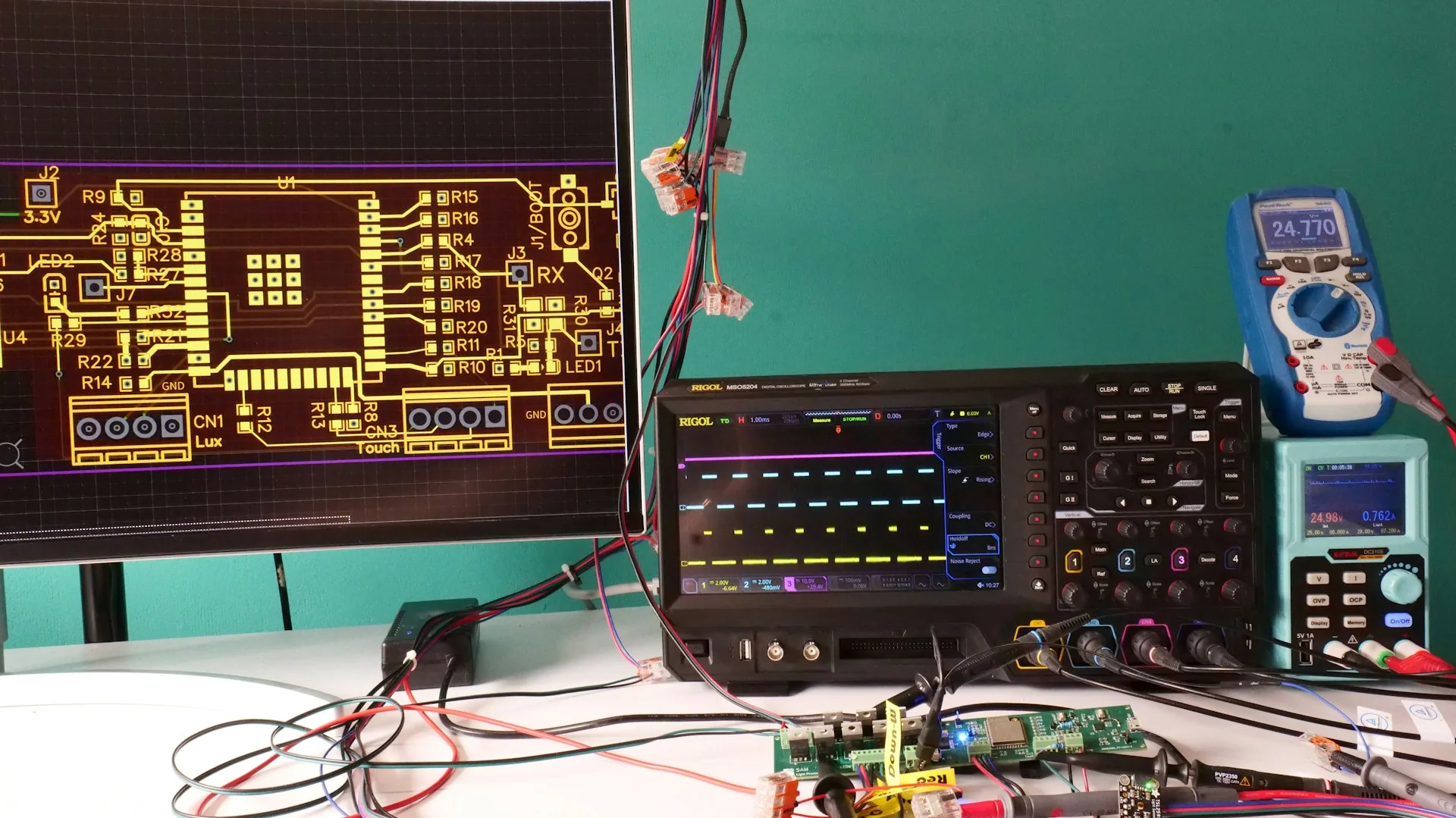
An electronics workbench with an oscilloscope showing several waveforms, a multimeter, a circuit board under test with probe wires, and a board layout on a monitor.Technical

Fault Injection: Proving Diagnostic Coverage Instead of Claiming It

300 injected faults, 300 detected, and the voltage supervisor still covers only about 80 % of the failure rate it was credited with. The 99 % in an FMEDA row usually comes from a handbook table. Fault injection tests the mechanism as built, and the result only means something when each failure mode is weighted by its share of the failure rate. New article, with a core supply supervisor and its deglitch filter as the worked example.

6 min
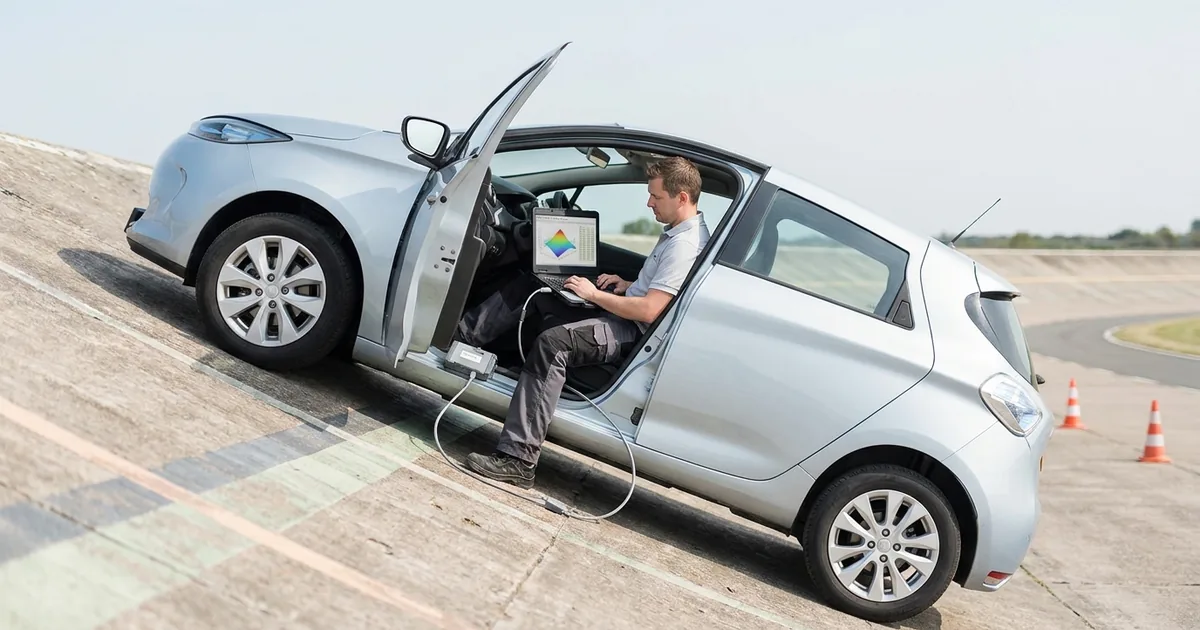
A calibration engineer sits in the open driver door of a silver hatchback parked on a proving-ground slope, tuning values on a laptop that shows a calibration map, cabled to an interface box on the door sill.Technical

Calibration and Configuration Data in ISO 26262

How ISO 26262 handles parameter data: why the software build separates configuration data from calibration data, how each value inherits its ASIL, what a parameter specification and its verification cover, and which mechanisms detect unintended changes of calibration data in the ECU.

7 min
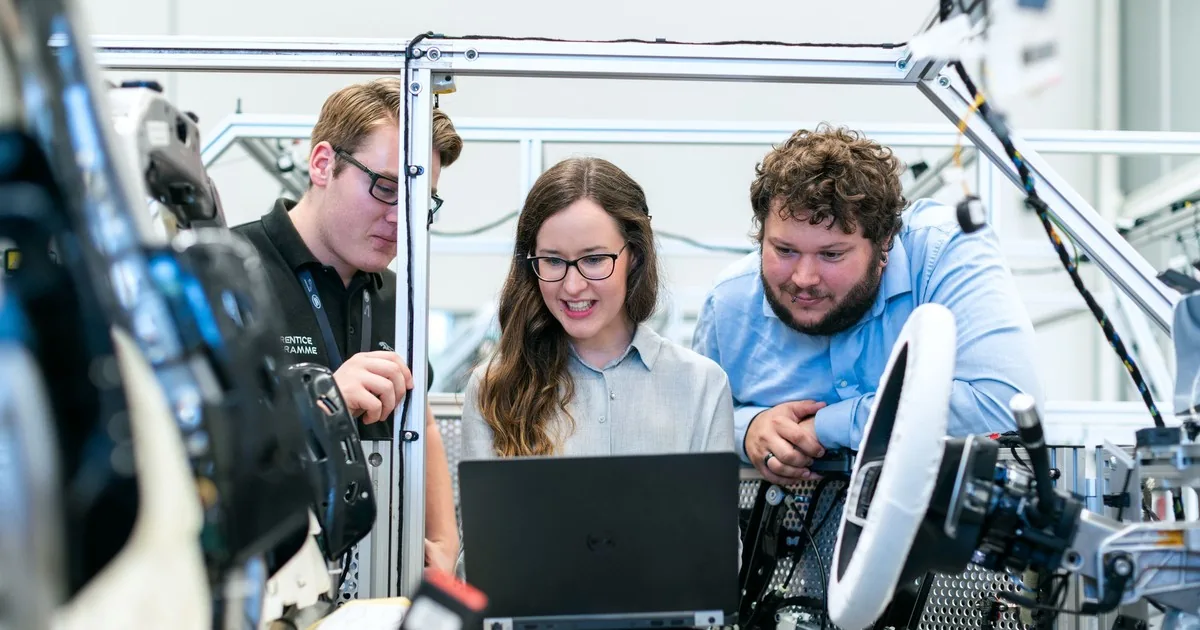
Three engineers look at a laptop together beside a vehicle test rig with a steering wheel and wiring in a development workshop.Technical

ISO 26262 Safety Culture: Competence and Accountability

Why ISO 26262 Part 2 regulates the organization: what safety culture means in the standard, how processes drift through the normalization of deviance, why responsibility needs authority and competence, and which of four checks asks which question.

7 min
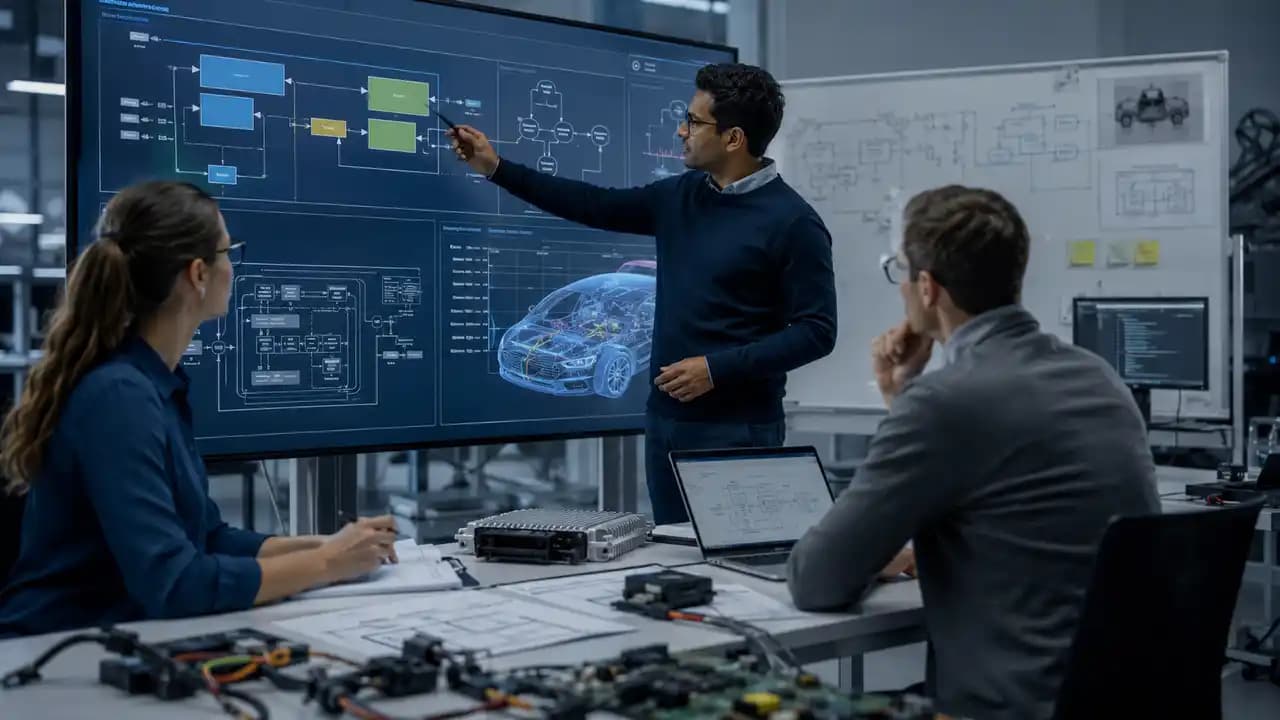
Flowchart showing the Model-Based Development workflow for ISO 26262 software engineering, including modeling guidelines, Model-in-the-Loop testing, and automatic code generation.Technical

How to Implement Model-Based Development for ISO 26262

Discover how to accelerate automotive software engineering using Model-Based Development. This guide covers essential ISO 26262 Part 6 requirements, from enforcing strict modeling guidelines to performing Model-in-the-Loop testing and automatic code generation.

8 min

Keep learning

Go from article to full guide.

Each guide is a full course with diagrams and worked examples. Open one to see what it covers.

Browse all guides
  • Verification and assessmentFault Injection & Safety-Mechanism VerificationProve that safety mechanisms detect and react to faults within the Fault-Tolerant Time Interval, turning FMEDA Diagnostic Coverage claims into demonstrated evidence across hardware, software, simulation, and system-level ISO 26262 campaigns.Expert plan pricing10 chapters
  • FoundationsSafety Culture & CompetenceISO 26262 Part 2 made operational: observable safety culture indicators, building the safety organization, independence of confirmation measures, provable competence records, anomaly handling, and how to measure culture and make the safety-first commitment real.Expert plan pricing12 chapters
  • SoftwareModel-Based DevelopmentYour ASIL D torque limiter was never typed by a human; a code generator produced it from a Simulink model. Learn how ISO 26262-6 accepts autocoded production C through modeling guidelines, the xIL ladder, back-to-back testing, and a tool confidence argument.Expert plan pricing12 chapters