Tag

functional-safety

22 articles

ISO 26262 is not learned in one shot: a loop of learn, practice and evaluate, with the domains the standard touches around itMiscellaneous

ISO 26262 Is Not Learned in One Shot

A training week, a certificate, and six months later a blank hazard analysis template. Nothing went wrong with the course. ISO 26262 is used in slices, months apart, and every slice borrows knowledge the standard does not teach: vehicle dynamics, reliability data, software verification, supplier contracts, SOTIF, cybersecurity. It is not learned in one shot. It is learned, applied and repeated, one cycle at a time. New article on how a team keeps that loop running, and what evidence it leaves behind.

5 min

Technical illustration showing a generic functional-safety lifecycle being adapted into the electronic architecture of a modern road vehicle.Technical

IEC 61508 vs ISO 26262: What Automotive Engineers Need to Know

Can an element assessed at IEC 61508 SIL 3 support an ISO 26262 ASIL D safety goal? Often yes, but the label proves nothing on its own: a SIL belongs to a safety function, not to a part. Why the two risk models look alike and still cannot be converted, and what an integrity level is attached to.

9 min
Real photograph of cars travelling on multilane roads in Dubai, photographed by Roman Logov.Miscellaneous

Proven in Use Under ISO 26262: What Field History Can Support

Years on the road do not automatically make a component proven in use. What makes field history credible under ISO 26262, and when can it support reuse? A practical introduction to the evidence, limits and common misconceptions.

6 min
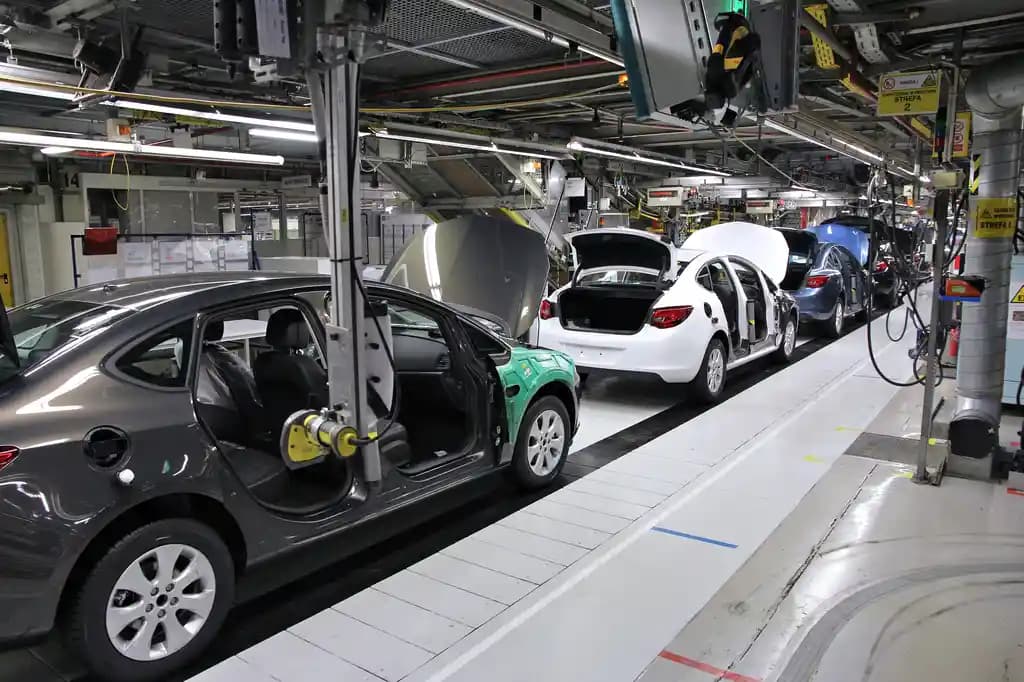
Car bodies on a factory assembly line, a dark hatchback with its doors and bonnet open in the foreground and a row of white and blue bodies receding down the line behind it, under overhead conveyor gantries.Technical

ASPICE and ISO 26262: What Each One Actually Grades

ASPICE rates how capable your development process is. ISO 26262 asks whether the product it produced is acceptably safe. Neither verdict substitutes for the other. Where the two read the same artifacts, where they diverge, and the safety work that has no ASPICE process behind it.

7 min
Close-up of a densely populated circuit board, with a square multi-pin integrated circuit in sharp focus among capacitors and smaller packages.Technical

Multi-Core Safety Architectures: An ISO 26262 Overview

Multi-core automotive SoCs add shared hardware, mixed criticality, and timing interference to every safety argument. This article maps the families of multi-core safety architecture, the three interference concerns underneath them, and what actually decides which one fits.

6 min
Comparison table showing differences between automotive ISO 26262 and railway EN 5012x functional safety standards, highlighting production volume, risk metrics, safe states, and lifecycles.Miscellaneous

Automotive vs Railway Functional Safety: An ISO 26262 Comparison

While both automotive and railway safety standards originate from IEC 61508, they have evolved into distinct methodologies. Discover how ISO 26262 principles compare to CENELEC railway standards regarding risk assessment, system response, and lifecycle management.

8 min
A comparison table showing the differences between automotive functional safety standard ISO 26262 and machinery standards ISO 13849 and IEC 62061.Technical

Automotive vs Machinery Functional Safety: An ISO 26262 Comparison

While automotive and machinery functional safety share common roots, their methodologies differ significantly. Explore how ISO 26262 compares to ISO 13849 and IEC 62061 in risk assessment and system architecture.

8 min
Comparison table showing aerospace functional safety standards like DO-178C and ARP4754A next to their automotive ISO 26262 equivalents for system, software, and hardware development.Technical

Functional Safety in Aerospace vs Automotive: An ISO 26262 Guide

Discover how aerospace functional safety standards like DO-178C and ARP4754A compare to automotive ISO 26262. Learn what automotive engineers can adapt from aviation to build robust, fail-operational architectures for autonomous vehicles.

7 min
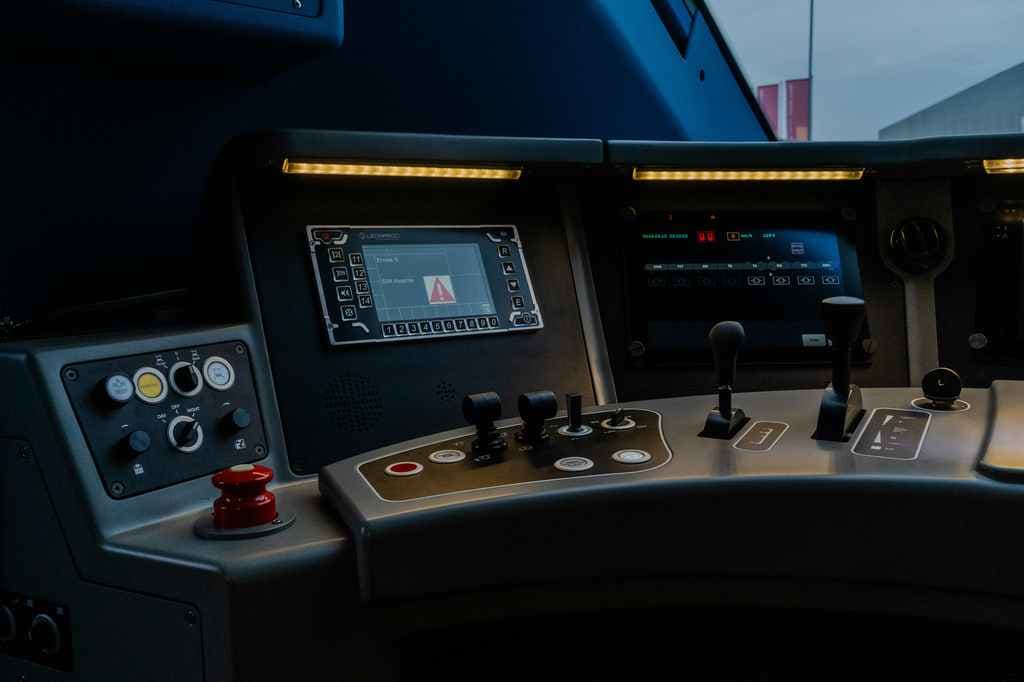
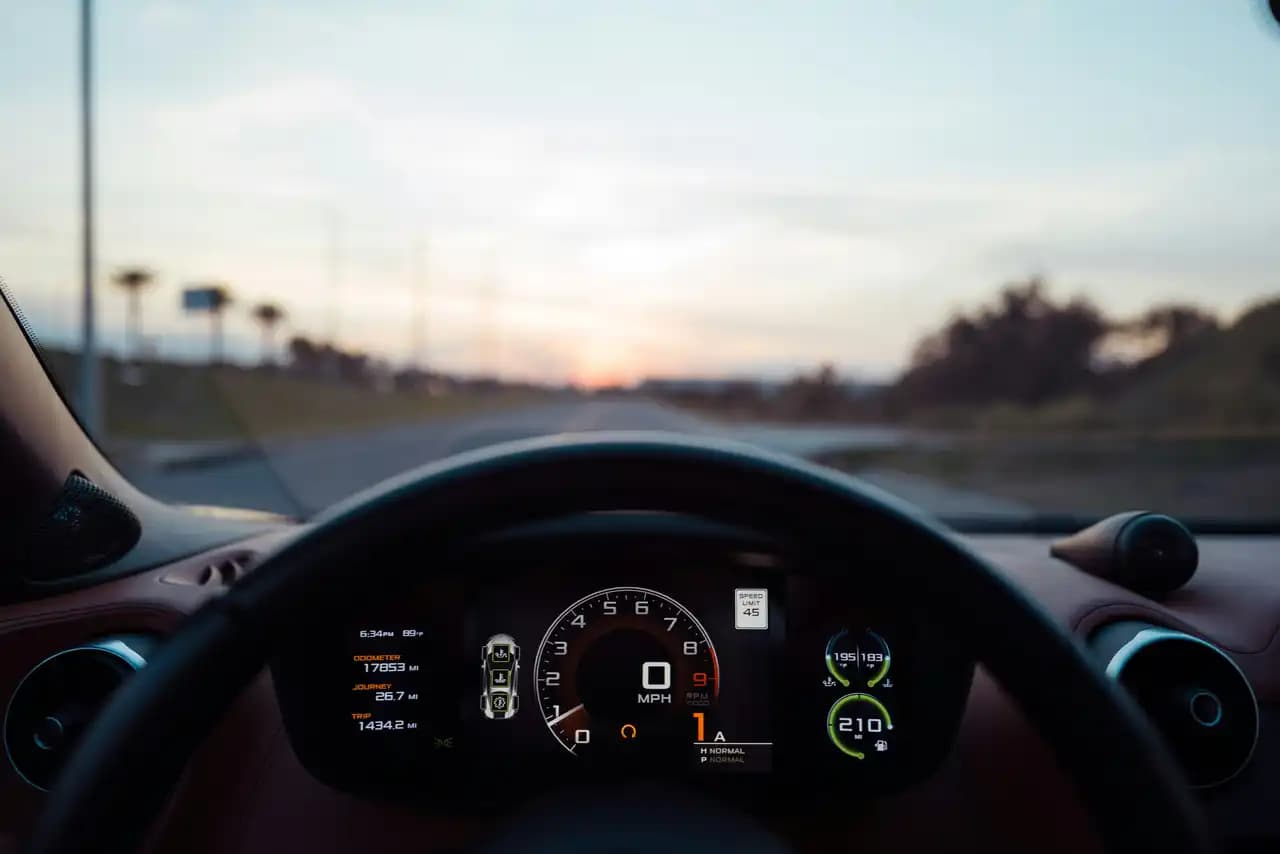
A digital automotive instrument cluster displaying a steering failure warning, illustrating HMI safety mechanisms and ISO 26262 compliance for vehicle displays.Technical

Mastering HMI Display Safety for Automotive ISO 26262

Automotive display systems are the final line of defense during vehicle failures. Learn how to engineer robust HMI warning strategies, manage arbitration chaos, and calculate strict timing budgets to achieve ISO 26262 compliance.

7 min
Flowchart showing the Model-Based Development workflow for ISO 26262 software engineering, including modeling guidelines, Model-in-the-Loop testing, and automatic code generation.Technical

How to Implement Model-Based Development for ISO 26262

Discover how to accelerate automotive software engineering using Model-Based Development. This guide covers essential ISO 26262 Part 6 requirements, from enforcing strict modeling guidelines to performing Model-in-the-Loop testing and automatic code generation.

8 min
Comparison table showing differences between HAZOP, FMEA, and FTA methodologies for ISO 26262 automotive functional safety analysis.Technical

Why HAZOP is Essential for ISO 26262: Guide-Word Analysis Explained

Discover how HAZOP uses guide-word deviation analysis to uncover hidden interface hazards in automotive systems. Learn why this methodology is essential for robust ISO 26262 functional safety concepts.

9 min
Diagram illustrating the core elements of Goal Structuring Notation (GSN) for ISO 26262 safety cases, showing the relationships between goals, strategies, sub-goals, and solutions.

A Quick Guide to Using GSN for ISO 26262 Safety Cases

Transform your ISO 26262 safety cases from complex documents into clear visual arguments. Learn how Goal Structuring Notation (GSN) creates logical, defendable, and highly assessable safety arguments for automotive systems.

8 min