Tag

ftti

3 articles

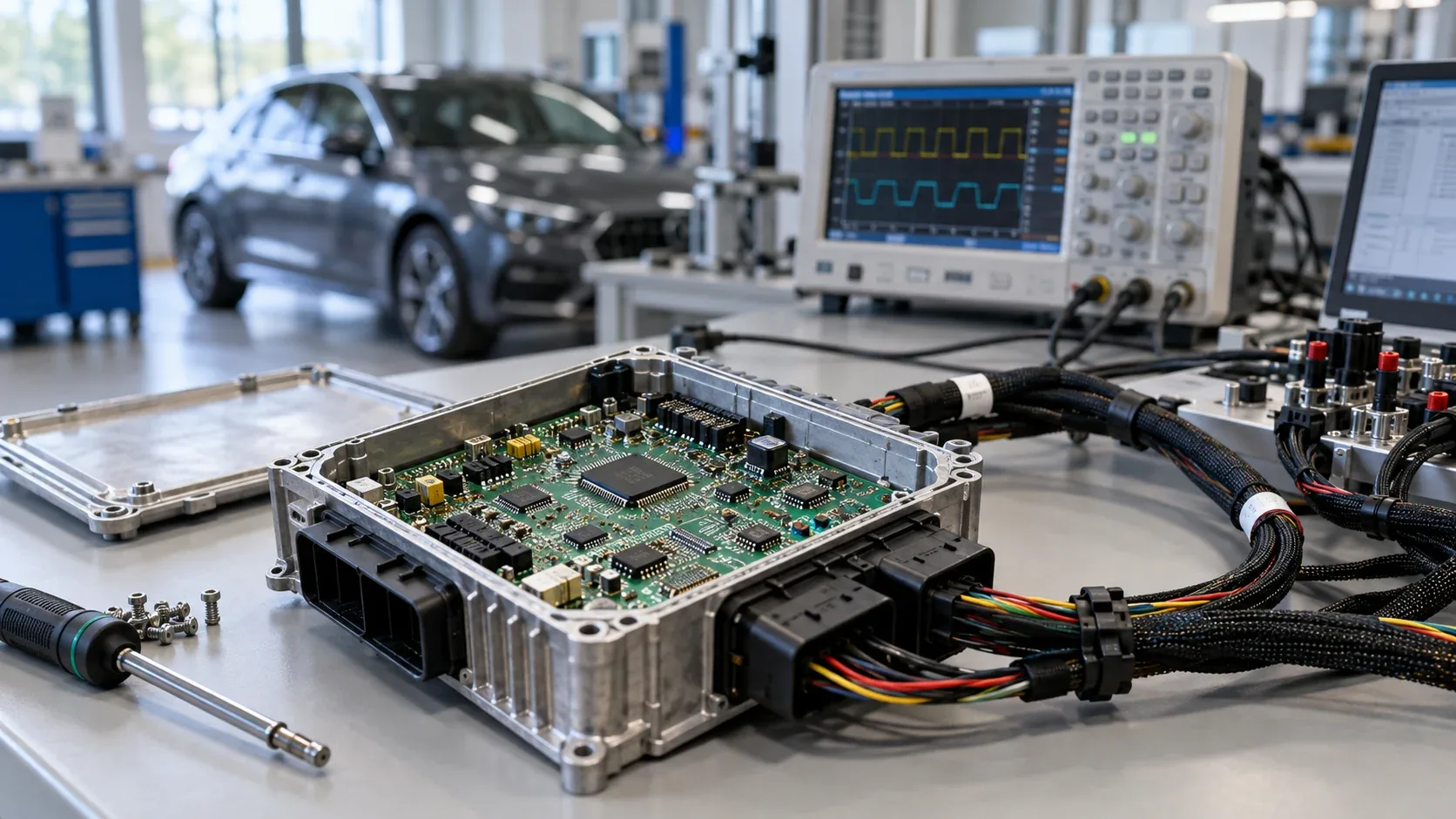
AI-generated illustration of an open automotive ECU, wiring harness and oscilloscope on a vehicle development bench.

Architecting the Technical Safety Concept in ISO 26262

A safety goal needs an architecture that can deliver it. How do timing budgets, ASIL decomposition and E2E checks turn functional requirements into a technical safety concept? A practical look at the decisions that connect ISO 26262 safety intent to hardware and software.

9 min
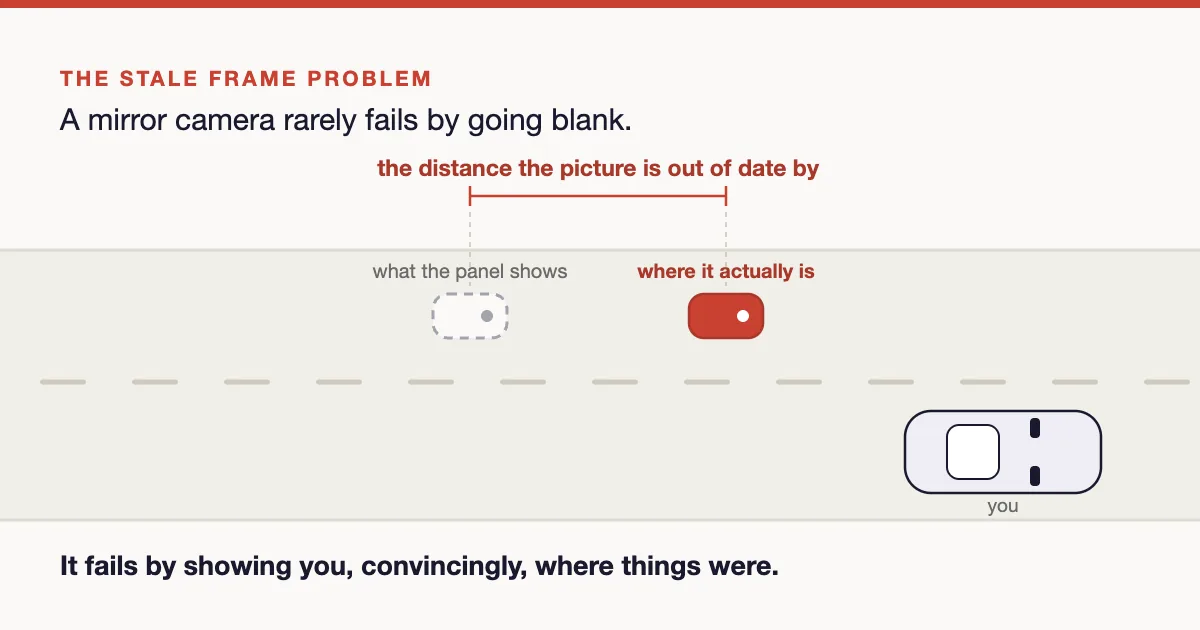
Plan view of a road. In the next lane an overtaking vehicle is drawn twice: a dashed grey outline where the mirror panel still shows it, and a solid red one further ahead where it actually is, with the gap between them marked.Technical

Interior and Mirror Cameras: The Stale Frame Problem

A mirror-replacement camera rarely fails by going blank. It fails by showing you a well-formed picture of a road that has moved on. Most of the chain answers a different question. A link CRC proves the pixels arrived intact. A register readback proves the sensor is configured. A watchdog proves the imaging task is scheduled, and a task republishing its last buffer is scheduled perfectly. So teams add a frame counter, usually in the software that receives frames. That proves only that this software is running: it keeps counting while the sensor sits dark. Even minted at the sensor, a counter is metadata: it travels next to the pixels, not inside them. A stage that re-stamps on publication can attach a fresh number to old pixels, and a header-only check waves it through. Placement earns you sequence coverage. Claiming the picture is current is a bigger claim than most safety cases support. New article on what that costs in detection budget and where the ISO 21448 boundary falls.

8 min
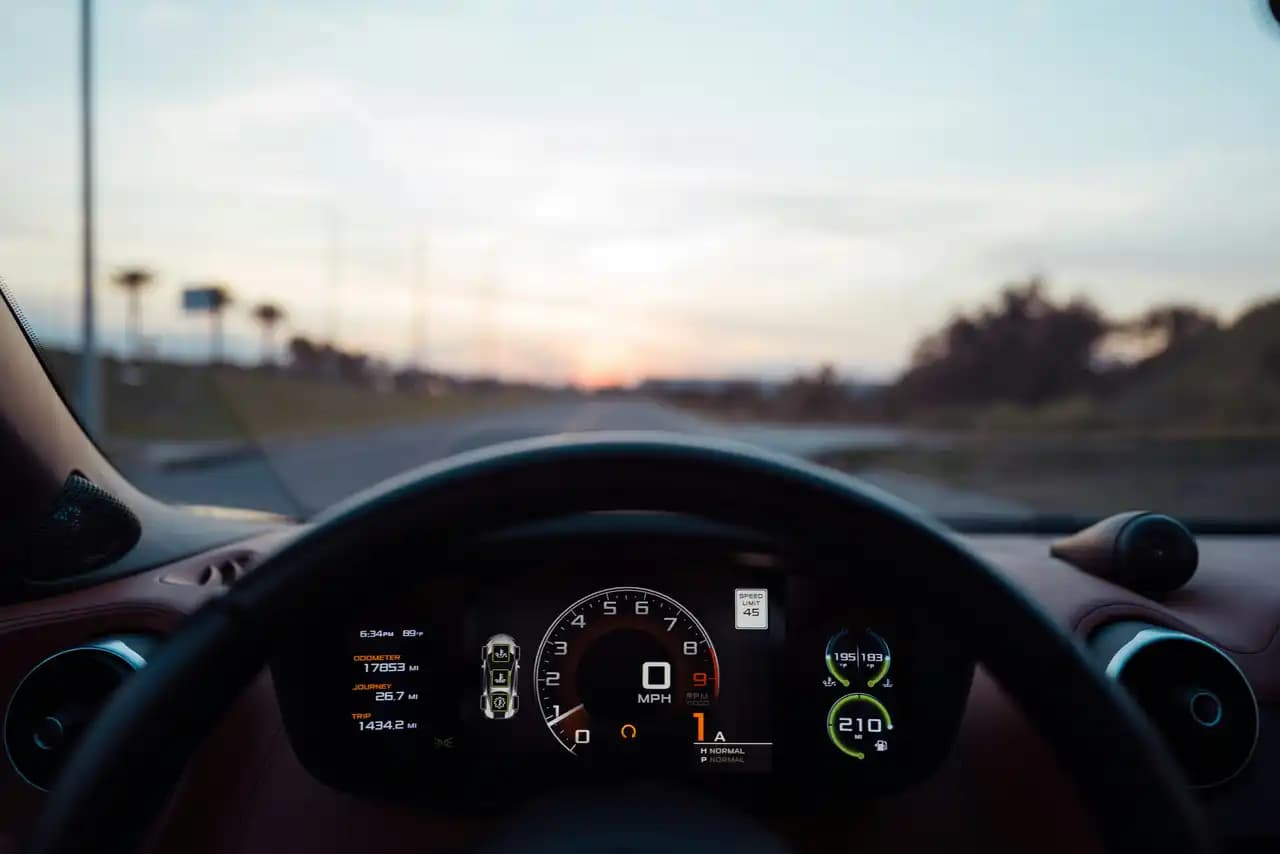
A digital automotive instrument cluster displaying a steering failure warning, illustrating HMI safety mechanisms and ISO 26262 compliance for vehicle displays.Technical

Mastering HMI Display Safety for Automotive ISO 26262

Automotive display systems are the final line of defense during vehicle failures. Learn how to engineer robust HMI warning strategies, manage arbitration chaos, and calculate strict timing budgets to achieve ISO 26262 compliance.

7 min

Keep learning

Go from article to full guide.

Each guide is a full course with diagrams and worked examples. Open one to see what it covers.

Browse all guides
  • Concept phaseSafety-Related Timing: FTTI, FDTI & FHTITreat time as a safety property. Learn the ISO 26262 fault-handling intervals (FTTI, FDTI, FRTI, FHTI), how diagnostic test rate sets detection latency, and how to budget detection and reaction so a fault is controlled before a hazardous event.Expert plan pricing10 chapters
  • System levelTechnical Safety ConceptLearn how to translate safety goals and FSC into technical safety requirements (TSRs), system architecture, and HW/SW allocation. Covers safety mechanisms, diagnostic coverage, FMEA integration, and a complete worked example with templates.Expert plan pricing17 chapters
  • Vehicle domainsInterior and Mirror CamerasThe cameras that face the other way: camera monitor systems that replace mirrors, and interior cameras that watch the driver. A mirror camera rarely fails by going blank - it fails by showing you, convincingly, where things were.Expert plan pricing15 chapters
ftti Articles | ISO 26262 Academy Blog