Tag

system-architecture

10 articles

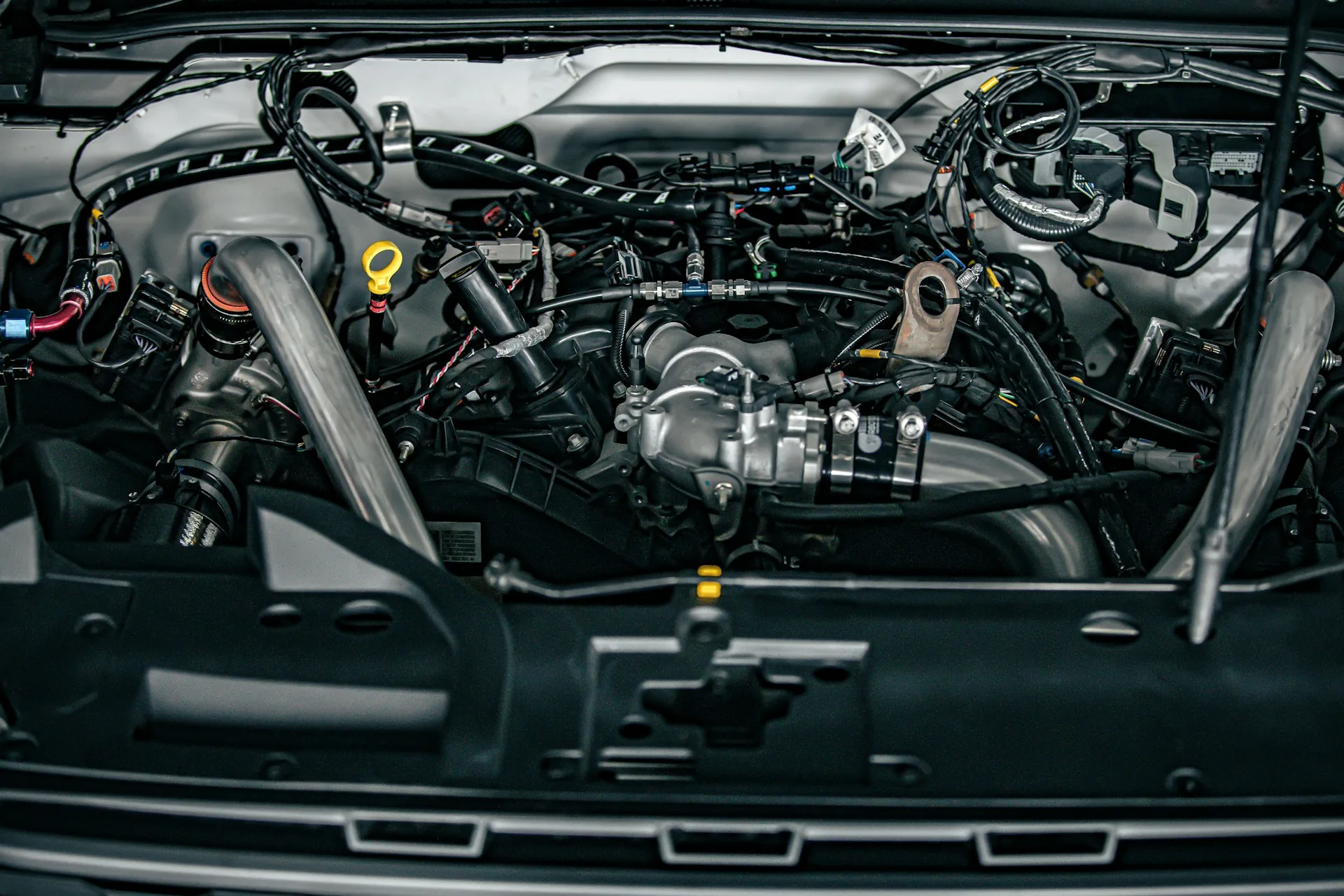
Engine bay of a modern car seen from the front, with wiring harnesses, connectors and control units routed around the engine.Technical

The Black Channel: Moving Network Safety to the Sender and Receiver

A CAN frame can pass every checksum on the bus and still carry the wrong request. One way to argue the integrity of a safety-related message rests it on the sender and the receiver, not on the network between them. This is the black channel idea, and the most common reason end-to-end protection exists. New article, with an electric parking brake release request replayed by a gateway as the example.

6 min
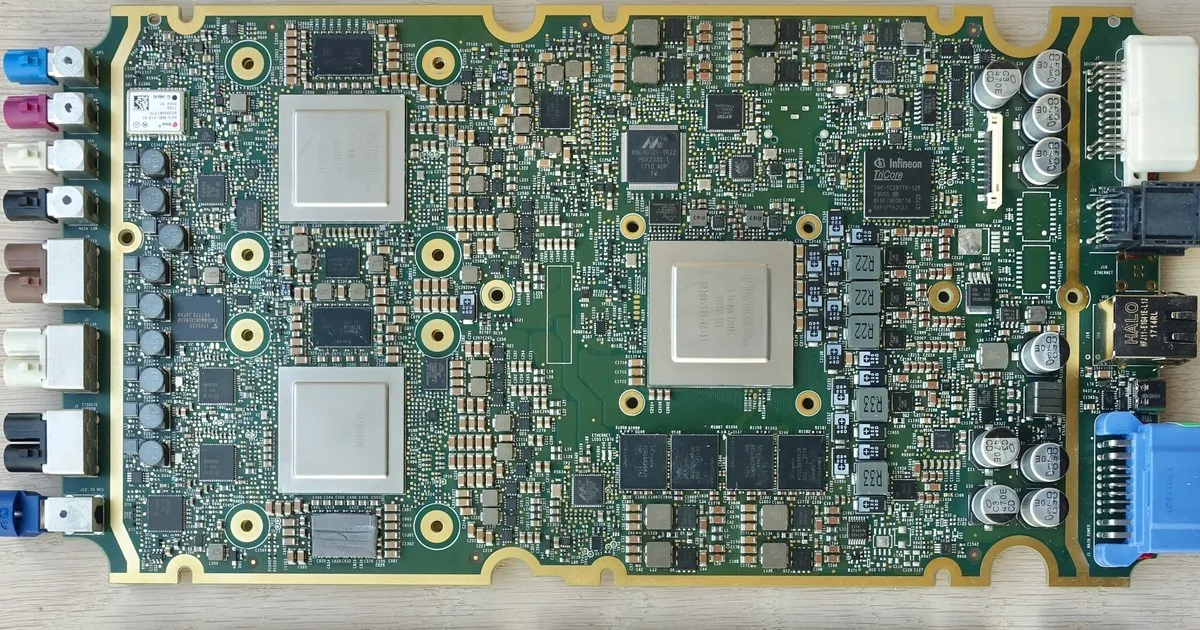
An automotive driver-assistance controller board with two identical processor packages side by side, next to a larger processor, memory, power components and a row of connectors, all on one PCB.Technical

The Core Concept of Dependent Failure Analysis in ISO 26262

Two redundant channels are not automatically independent. What a dependent failure is, the difference between common cause and cascading failures, the coupling factors that tie elements together, and why ISO 26262 asks for DFA.

7 min
Abstract geometric network of connected nodes against a pale blue background.

Dependent Failure Analysis: Three Checks Beyond Redundancy

Two channels can still share one vulnerability. Learn three practical DFA checks for examining common causes, hidden dependencies and the evidence behind independence claims.

3 min
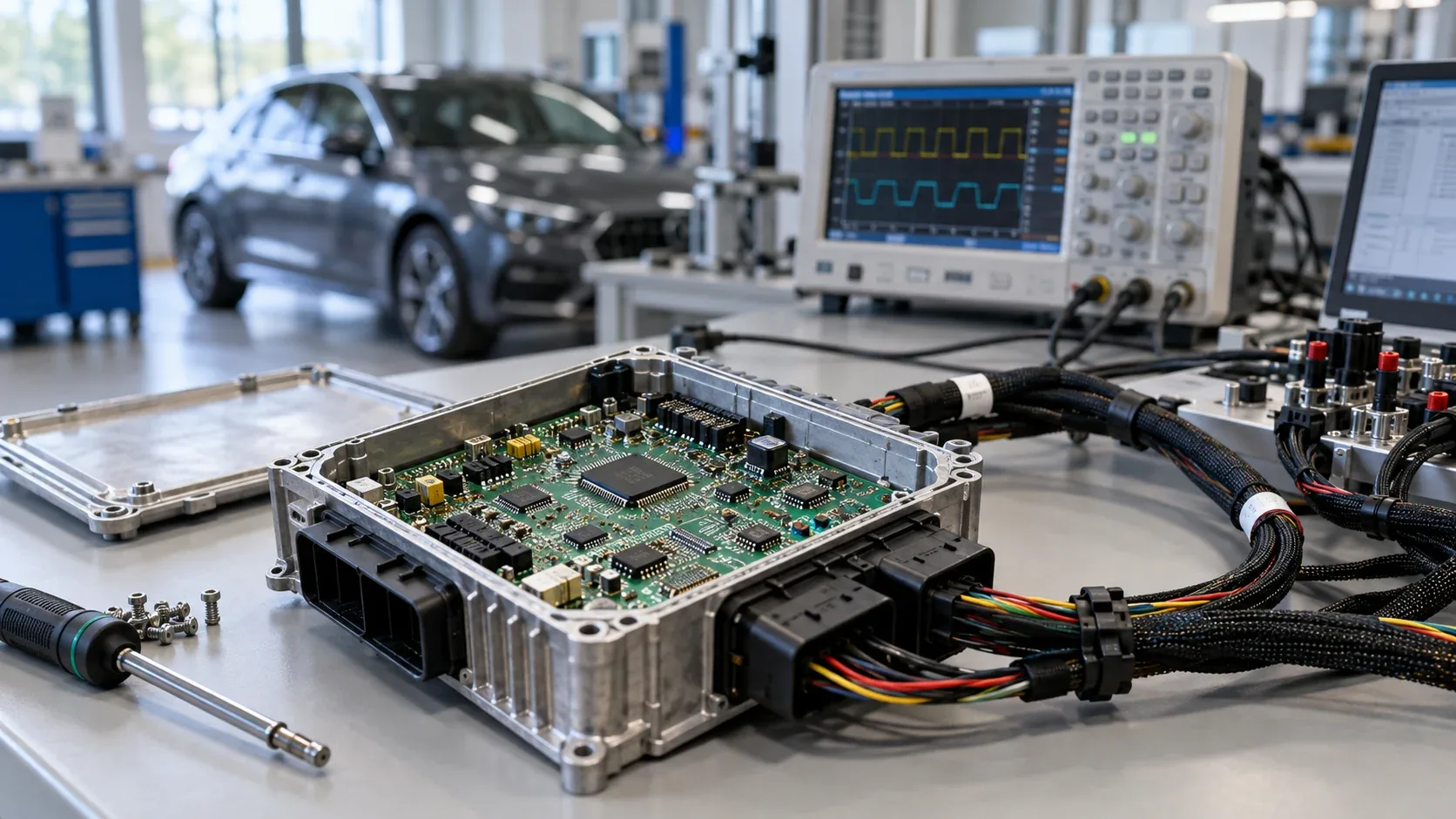
AI-generated illustration of an open automotive ECU, wiring harness and oscilloscope on a vehicle development bench.

Architecting the Technical Safety Concept in ISO 26262

A safety goal needs an architecture that can deliver it. How do timing budgets, ASIL decomposition and E2E checks turn functional requirements into a technical safety concept? A practical look at the decisions that connect ISO 26262 safety intent to hardware and software.

9 min
Close-up of a densely populated circuit board, with a square multi-pin integrated circuit in sharp focus among capacitors and smaller packages.Technical

Multi-Core Safety Architectures: An ISO 26262 Overview

Multi-core automotive SoCs add shared hardware, mixed criticality, and timing interference to every safety argument. This article maps the families of multi-core safety architecture, the three interference concerns underneath them, and what actually decides which one fits.

6 min
Comparison table showing aerospace functional safety standards like DO-178C and ARP4754A next to their automotive ISO 26262 equivalents for system, software, and hardware development.Technical

Functional Safety in Aerospace vs Automotive: An ISO 26262 Guide

Discover how aerospace functional safety standards like DO-178C and ARP4754A compare to automotive ISO 26262. Learn what automotive engineers can adapt from aviation to build robust, fail-operational architectures for autonomous vehicles.

7 min
Automotive system architecture diagram showing safety patterns and redundancy configurations for ISO 26262 compliance in modern vehiclesTechnical

Architecting Automotive Systems with Proven Safety Patterns

Discover how automotive engineers use proven architectural configurations to prevent catastrophic failures in safety-critical systems like AEB and steer-by-wire.

8 min
Why FTA is Essential for Effective ASIL DecompositionTechnical

Why FTA is Essential for Effective ASIL Decomposition

Learn why Fault Tree Analysis is the most effective method to justify ASIL decomposition. See how FTA exposes real redundancy, validates independence, and prevents costly common cause failures in safety-critical automotive systems.

7 min
5 Essential Advices for ASIL Decomposition in ADAS Architectures

5 Essential Advices for ASIL Decomposition in ADAS Architectures

Discover five practical advices for mastering ASIL decomposition in ADAS. Learn how to balance system complexity, hardware costs, and safety requirements up to ASIL D without compromising compliance.

9 min
Functional Safety Concept Guide: 7 Expert Tips for SuccessTechnical

Functional Safety Concept Guide: 7 Expert Tips for Success

Master the 7 expert tips that transform hazard analysis results into implementable Functional Safety Concepts that actually work.

7 min

Keep learning

Go from article to full guide.

Each guide is a full course with diagrams and worked examples. Open one to see what it covers.

Browse all guides
  • Safety analysesDependent Failure Analysis (DFA)Learn how ISO 26262-9 Clause 7 verifies that redundant channels and ASIL decomposition are genuinely independent, by hunting dependent failure initiators and coupling factors that let one root cause defeat several safety elements at once.Expert plan pricing10 chapters
  • System levelIn-Vehicle Network SafetyWhat CAN, CAN FD, CAN XL, LIN, FlexRay and automotive Ethernet actually guarantee, the communication failure catalog of ISO 26262-6 Annex D, receiver-driven signal contracts, the black-channel argument, AUTOSAR E2E protection, containment, gateways and the comm matrix as a safety artifact.Expert plan pricing14 chapters
  • System levelTechnical Safety ConceptLearn how to translate safety goals and FSC into technical safety requirements (TSRs), system architecture, and HW/SW allocation. Covers safety mechanisms, diagnostic coverage, FMEA integration, and a complete worked example with templates.Expert plan pricing17 chapters
system-architecture Articles | ISO 26262 Academy Blog